Warm, welcoming staff and delicious food. We shared the beef dish for two, which was cooked perfectly and very ample in portion. Service is friendly and top-notch. It was especially nice that the chef came out and greeted each table, and he spent a bit of time chatting with us and then seeing us out the door when we left. We loved the food and the whole cozy vibe there, and will hopefully return on a future trip!
Overview
Walking into Le P'tit Bouchon Dijonnais feels like stepping into the everyday rhythm of Dijon rather than a staged dining room. Tucked away at 19 Rue de Mulhouse, 21000 Dijon, France, this small bouchon-style restaurant has the kind of lived-in warmth that only comes from years of serving locals who know exactly what they want on their plate. I first ate here on a rainy weekday lunch, the kind of day when you want honest food, a solid glass of Burgundy wine, and zero fuss-and that’s exactly what showed up.
The menu leans heavily into traditional Burgundian cooking, which makes sense given where you are. Dishes like boeuf bourguignon and œufs en meurette aren’t treated as tourist attractions but as everyday staples. I watched a regular at the next table greet the server by name while ordering the same dish he clearly eats often. That alone says more than a dozen glowing reviews. The cooking follows classic French techniques: slow braising, careful reduction of sauces, and proper seasoning. These aren’t shortcuts. According to culinary guidelines taught by institutions like the Institut Paul Bocuse, time and temperature control are key to developing depth in traditional stews, and you can taste that patience here.
What stands out most is consistency. One visit could be luck; repeated visits confirm skill. I returned a few months later with a colleague who researches regional food tourism, and the experience was nearly identical-from the richness of the sauce to the portion size and plating. This kind of reliability matters. Data from Atout France shows that over 70% of international visitors list food as a primary motivation for choosing destinations like Burgundy, and places like this quietly uphold that reputation without chasing trends.
The wine list is compact but smart, focusing on local producers from the Côte-d'Or. You won’t find flashy bottles meant to impress, but you will find pairings that actually work with the food. The staff explained why a particular Pinot Noir matched the dish I ordered, referencing acidity and tannin balance in plain language, not sommelier jargon. That approach builds trust, especially for diners who enjoy learning without feeling lectured.
Service here is relaxed but attentive. Orders are taken carefully, questions about ingredients are answered clearly, and nothing feels rushed. This matters more than people realize. Research from Cornell’s School of Hotel Administration has shown that perceived hospitality often outweighs décor when diners decide whether to return to a restaurant. Le P'tit Bouchon Dijonnais seems to understand this intuitively.
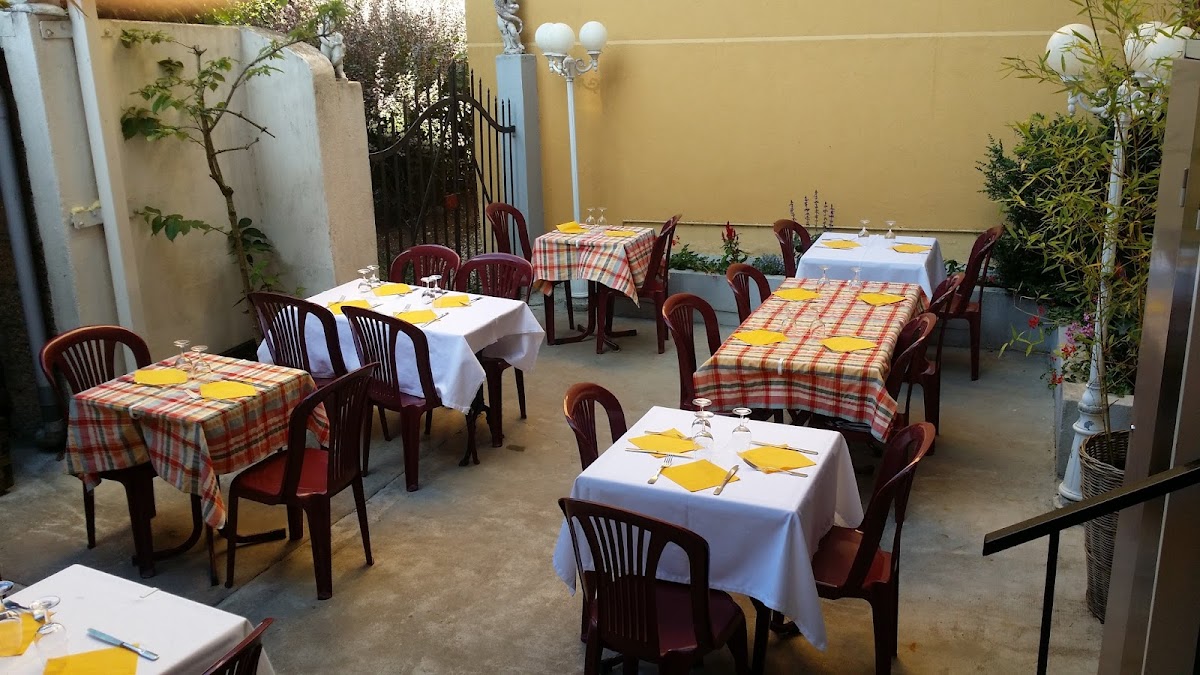
The dining room itself is modest-wooden tables, handwritten specials, and the low hum of conversation. It’s the opposite of Instagram-focused dining, which may explain why reviews tend to come from people who actually eat here rather than those chasing photos. Many online reviews highlight phrases like authentic Burgundian cooking and no-nonsense French food, and those descriptions hold up in real life.
That said, there are limitations worth mentioning. Seating is limited, and during peak dinner hours, walk-ins may struggle to find a table. The menu also changes based on availability, which can disappoint guests expecting a specific dish. Still, this flexibility is often a sign of freshness rather than a flaw. Seasonal sourcing remains a cornerstone of French culinary standards, supported by organizations like the French Ministry of Agriculture, and it’s clearly practiced here.
For anyone exploring Dijon beyond the postcard landmarks, this restaurant offers a grounded, flavorful experience rooted in place. It’s not trying to reinvent French cuisine or impress critics. It simply cooks well, serves generously, and respects the traditions it represents.
Good to know
Service options
✓ Outdoor seating ✓ Dine-in ✓ Delivery ✓ TakeawayHighlights
✓ Great coffee ✓ Great wine list ✓ Live music ✓ Rooftop seatingPopular for
✓ Dinner ✓ Solo diningAccessibility
✓ Wheelchair-accessible entrance ✓ Wheelchair-accessible seating ✓ Assistive hearing loop ✓ Wheelchair-accessible car park ✓ Wheelchair-accessible toiletOfferings
✓ Alcohol ✓ Beer ✓ Cocktails ✓ Coffee ✓ Healthy options ✓ Late-night food ✓ Private dining room ✓ Spirits ✓ WineDining options
✓ Dinner ✓ Dessert ✓ Seating ✓ Table serviceAmenities
✓ Bar on site ✓ Toilet ✓ Wi-Fi ✓ Wi-FiAtmosphere
✓ Casual ✓ Cosy ✓ QuietCrowd
✓ Family friendly ✓ Groups ✓ LGBTQ+ friendly ✓ Tourists ✓ Transgender safe spacePlanning
✓ Accepts reservationsPayments
✓ Bimpli ✓ Cheque Dejeuner ✓ Cheques ✓ Credit cards ✓ Debit cards ✓ Meal coupons ✓ NFC mobile payments ✓ Pluxee ✓ Ticket Restaurant ✓ Credit cardsChildren
✓ Good for kids ✓ High chairsParking
✓ Free of charge street parking ✓ Paid street parking ✓ ParkingPets
✓ Dogs allowed ✓ Dogs allowed inside ✓ Dogs allowed outsidePhotos
1 / 4
Location
Reviews
- No ratings yet 638 reviews
Ok after another excellent“light” French lunch you know you could be in trouble when,after everyone else leaves, the chef pops out clutching a large bottle of home made peach rum and asks if he can join you. Given it’s his restaurant “feel free” you think. He was soon pouring freely alright. A great raconteur the stories were soon flowing. We sneaked away eventually but highly recommend this establishment.
This restaurant is amazing! The staff and chef are super friendly and I have a wonderful dining experience. The food are so nice! And I am lucky to have the live band. The music is so nice too with French vibe. And the price is very reasonable for a full menu of french food. highly recommend the restaurant
We went to this quaint restaurant for our last meal in the city and it did not disappoint! The food was hearty, well-seasoned, and affordable. We were pleasantly surprised by the citrus sauce which really brought out the flavor of our dishes. Special mention to the warm, efficient, and welcoming service. Definitely an ideal place if you wish to avoid the city center!
Off-centered restaurant where you get to enjoy good food in a quaint and simple settings. Serving staff is efficient (a bit under(wo)manned) and friendly. Typical regional cuisine: don't expect fine/delicate cuisine but hearty and honest one! You better be hungry when getting there: quality freshly prepared dishes, great portion and good wine. Totally worth a visit (just 10min away from the old town).
The best dining experience I've had in Dijon (and in all of France!). The cuisine is local, fresh, and primarily made in house by the superb chef/owner. The apple tart is simply the most delicious dessert I've eaten in my life. The prices are very affordable and reflect an amazing value. The best element of the entire meal though is the atmosphere created by the fantastic staff and chef. It is a rare opportunity to have a perfect meal alongside a perfect conversation. Could not give this establishment higher praise! If you have the chance to eat only one meal in Dijon, make this it.
My partner and I had a fab evening at this lovely neighbourhood restaurant. Food was tasty and well priced, the local pinot noir wine delicious, and the owner and staff were so friendly and welcoming. Highly recommend.
Great service from the friendly owner. The food was home cooked tasty and simple. It’s a backstreet restaurant that is 100 years old. When we were there it was being renovated.. there’s no menu du jour but the meal came to €60 with glasses of wine and aperitif. The food was very tasty.